





Timing for asphalt paving in Indianapolis, IN, directly affects how well your pavement holds up through the seasons. If you schedule your project at the wrong time of year, you risk poor compaction, premature cracking, and a surface that fails far sooner than it should. As your local paving contractor serving Indianapolis, IN, we see these timing mistakes cost property owners money every year. Contact us today and call (812) 799-0357 to get your free estimate and lock in the right time for your project.
Indiana's climate can be unforgiving. Marion County and the surrounding Central Indiana area experience significant temperature swings from January lows that can drop below 10°F to summer highs that push past 90°F. These extremes make timing your paving project a real science, not a guess.
What Is the Ideal Temperature Range for Asphalt Installation?
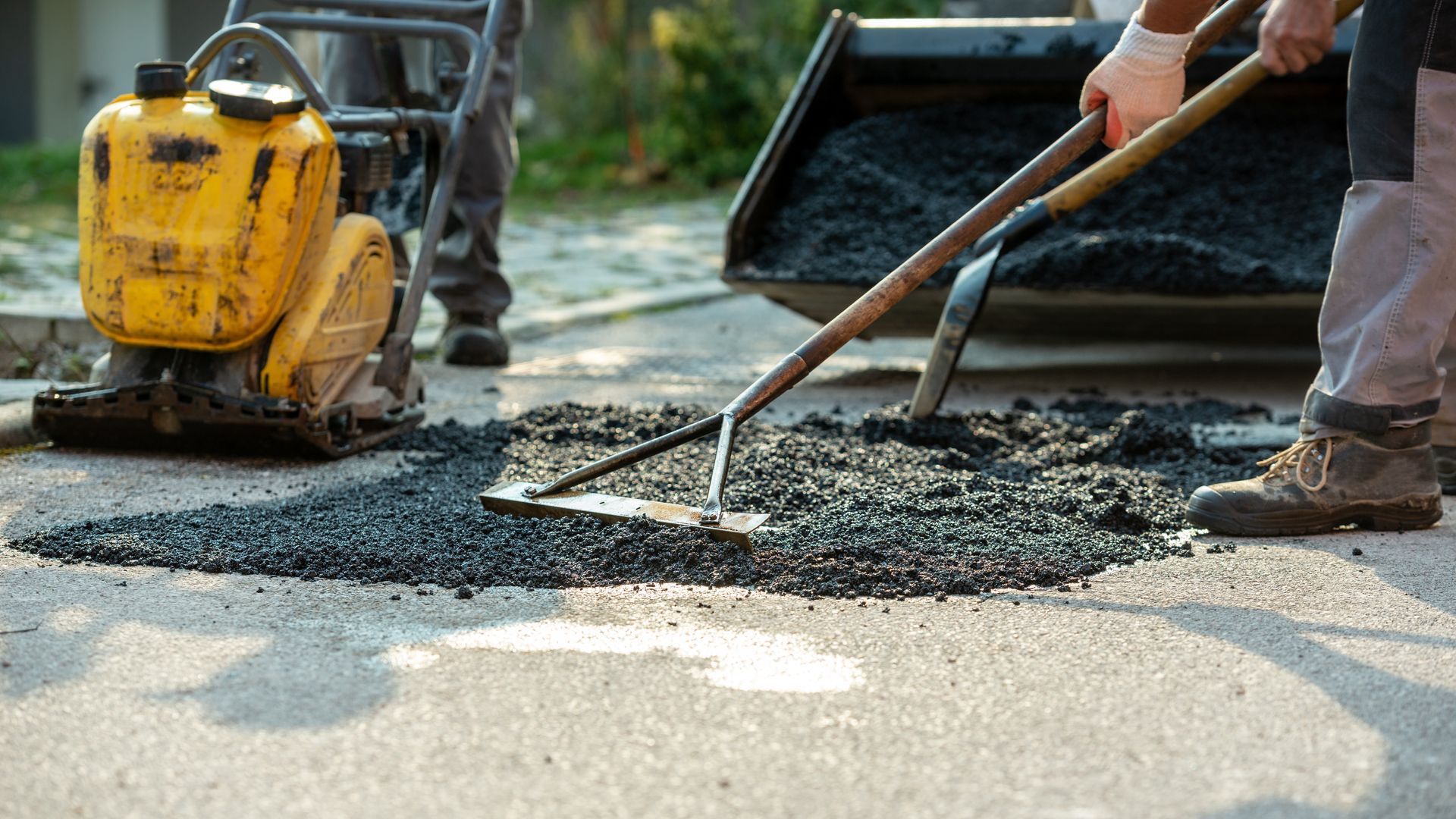
Asphalt must be installed within a specific temperature window to bond properly and compact correctly. For a paving contractor, the target air temperature is generally between 50°F and 90°F, with the ground temperature also above 50°F. Below that threshold, asphalt cools too fast and cannot be compacted to the required density. Above the upper range, the mix can stay too soft and track under traffic.
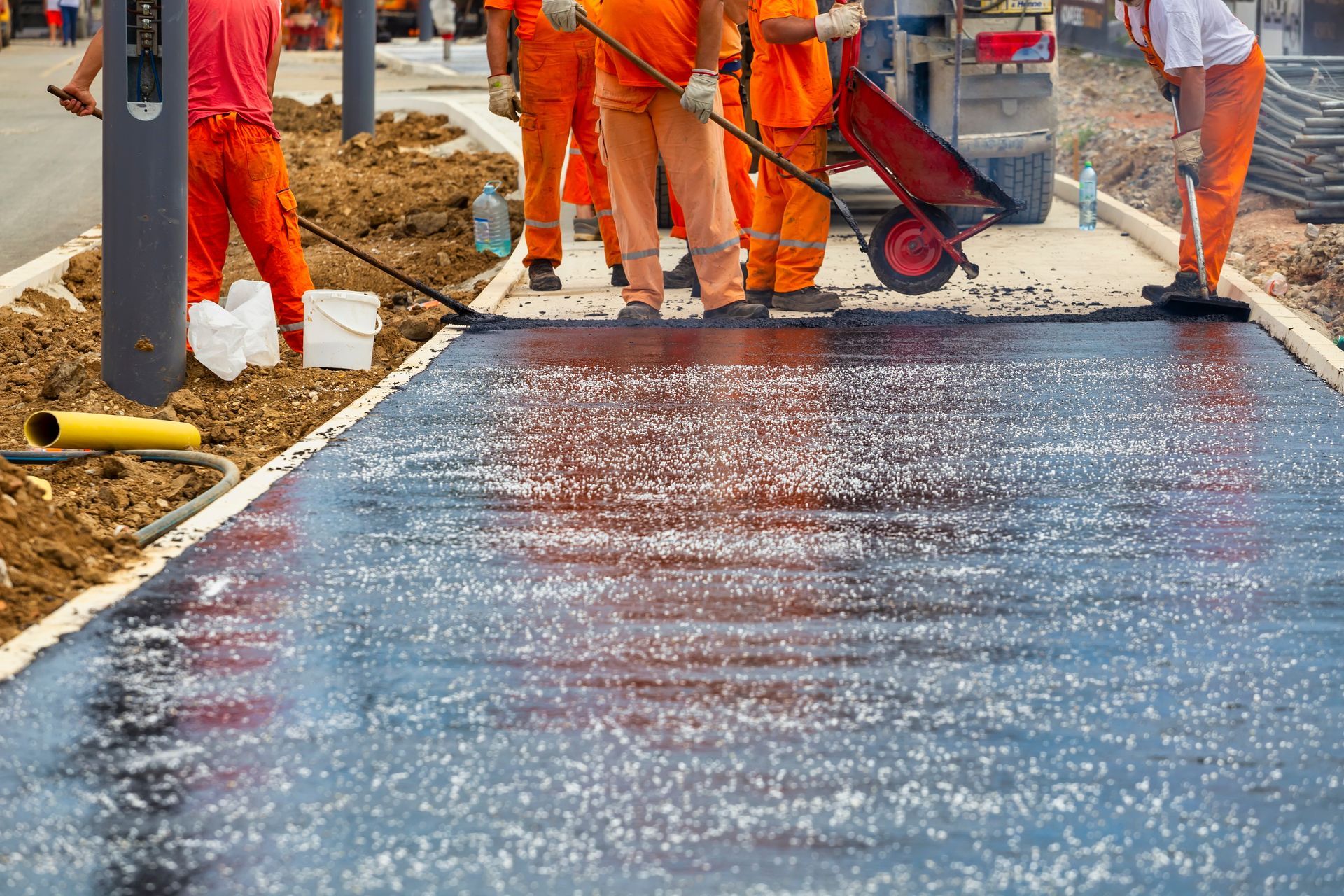
In Indianapolis, IN, that window aligns most reliably with late spring through early fall. The asphalt itself is delivered at very high temperatures, usually well above 275°F, so the surrounding air and ground need to be warm enough to keep it workable from the moment it leaves the truck to the moment the roller finishes the job.
Thicker pavement sections retain heat longer, which gives crews a slightly larger working window. Thinner overlays, like residential driveway top coats, are more sensitive to cool air and need warmer days to install correctly.
What Does Indiana's Paving Season Look Like, Season by Season?
Indiana's paving season typically runs from April through October, but not every month within that range is equally productive.
Spring (April-May)
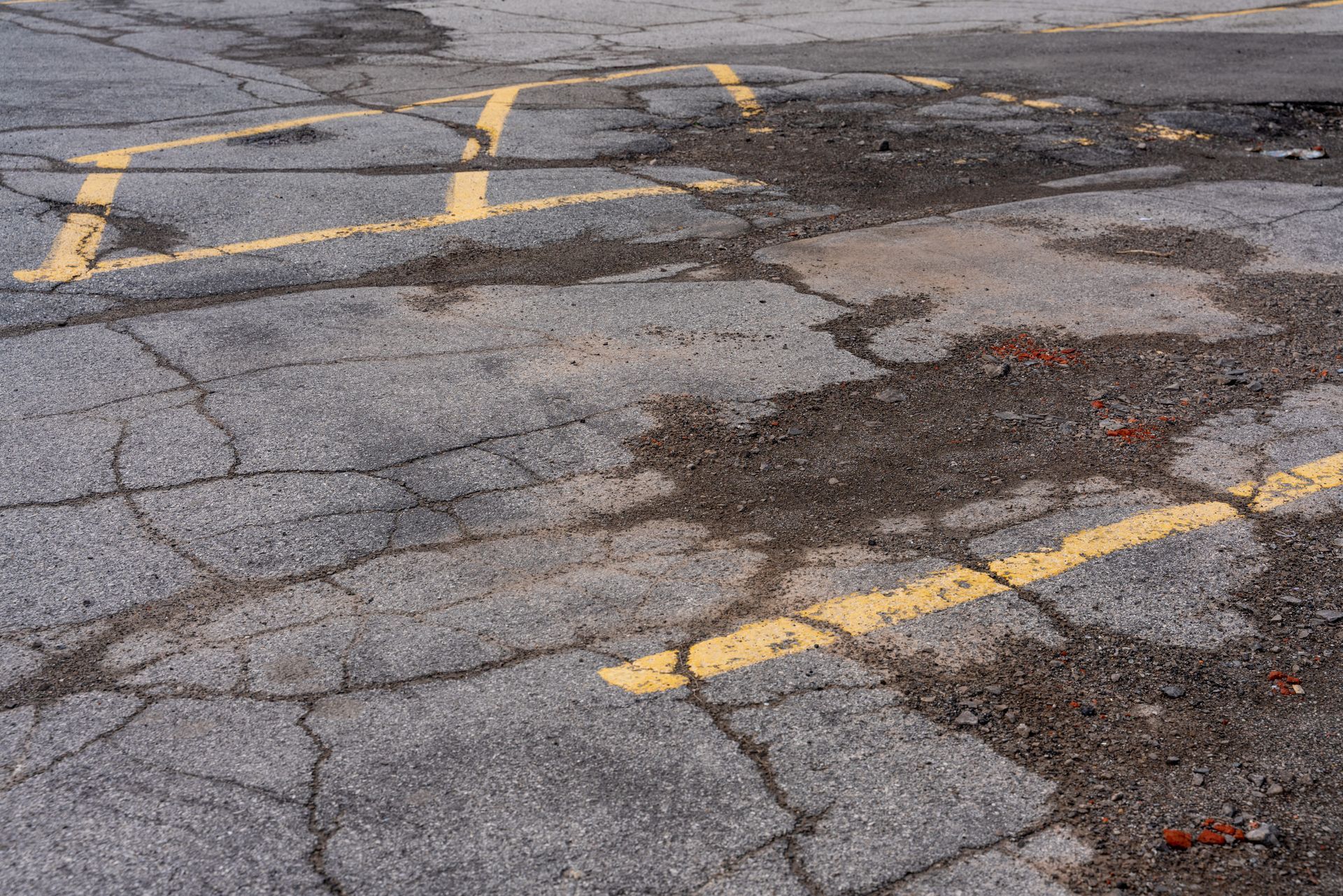
Spring can be excellent for paving once the ground thaws and temperatures stabilize. April nights in Indianapolis often still dip below 40°F, so early spring projects may need to wait for a reliable warm stretch. By mid-to-late April and into May, daytime temperatures typically reach the mid-60s and beyond, making conditions favorable. Spring is also a smart time to address damage caused by the winter freeze-thaw cycle, which can open cracks and buckle surfaces across neighborhoods like Lawrence, Beech Grove, and Avon.
Summer (June-August)
Summer is often the most productive paving season in Central Indiana. Long days, warm nights, and consistent temperatures give crews the best working conditions. Asphalt stays workable longer, compaction is more uniform, and curing happens efficiently. The main risk in summer is extreme heat, which can soften freshly laid asphalt. We schedule summer projects carefully to avoid the hottest afternoon hours when needed.
Fall (September-October)
Early fall is another strong window for paving. September and October in Indianapolis, IN, often bring mild days and cool nights, which are ideal for asphalt installation. Many property owners in areas like Greenwood, Fishers, and Carmel find fall scheduling easier since the summer rush has passed. However, once October gives way to November, overnight lows can become unpredictable, and the risk of cold snaps increases.
Why Is Winter Paving Risky in Indianapolis?
Winter paving is unreliable and generally not recommended in Central Indiana. When air and ground temperatures drop below 40°F, asphalt cools and stiffens before it can be properly compacted. The result is a weak surface that may crack, ravel, or fail within the first few seasons.
Indianapolis also sees freeze-thaw cycles that begin as early as November. Clay and loam soils common across Marion County shift as moisture freezes and thaws beneath the surface. Any asphalt laid over unstable frozen ground is at high risk for early failure. For a paving contractor working in this region, winter is the time to plan, not to pave.
How to Plan Ahead for Your Spring Paving Project
Planning early is the single most effective step Indianapolis property owners can take. Spring schedules fill quickly, especially after a harsh winter when demand for repairs spikes across commercial parking lots and residential driveways alike.
Here is a simple planning process to follow:
1. Inspect your pavement in late winter for new cracks, potholes, and drainage issues.
2. Contact a paving contractor in Indianapolis, IN, by February or March to get on the schedule.
3. Request a written estimate that includes material specs, timeline, and scope of work.
4. Confirm your project window is within the 50°F-90°F air temperature range for your paving dates.
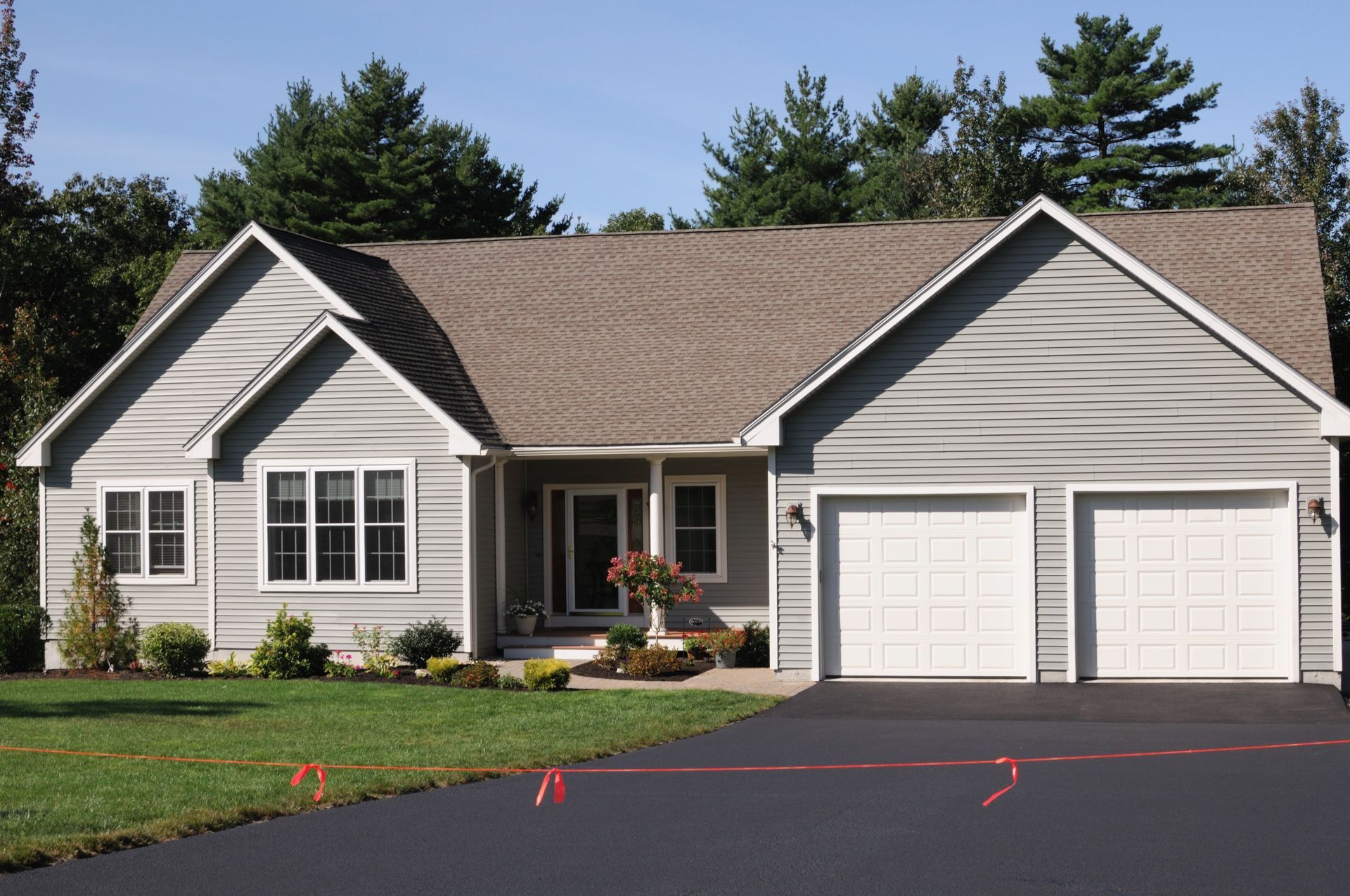
5. Allow 24-48 hours after installation before opening the surface to regular vehicle traffic.
You can explore the full range of asphalt paving options available to you on our asphalt paving services page.
Ready to Schedule Your Paving Project in Indianapolis? Work With Precision Contractors
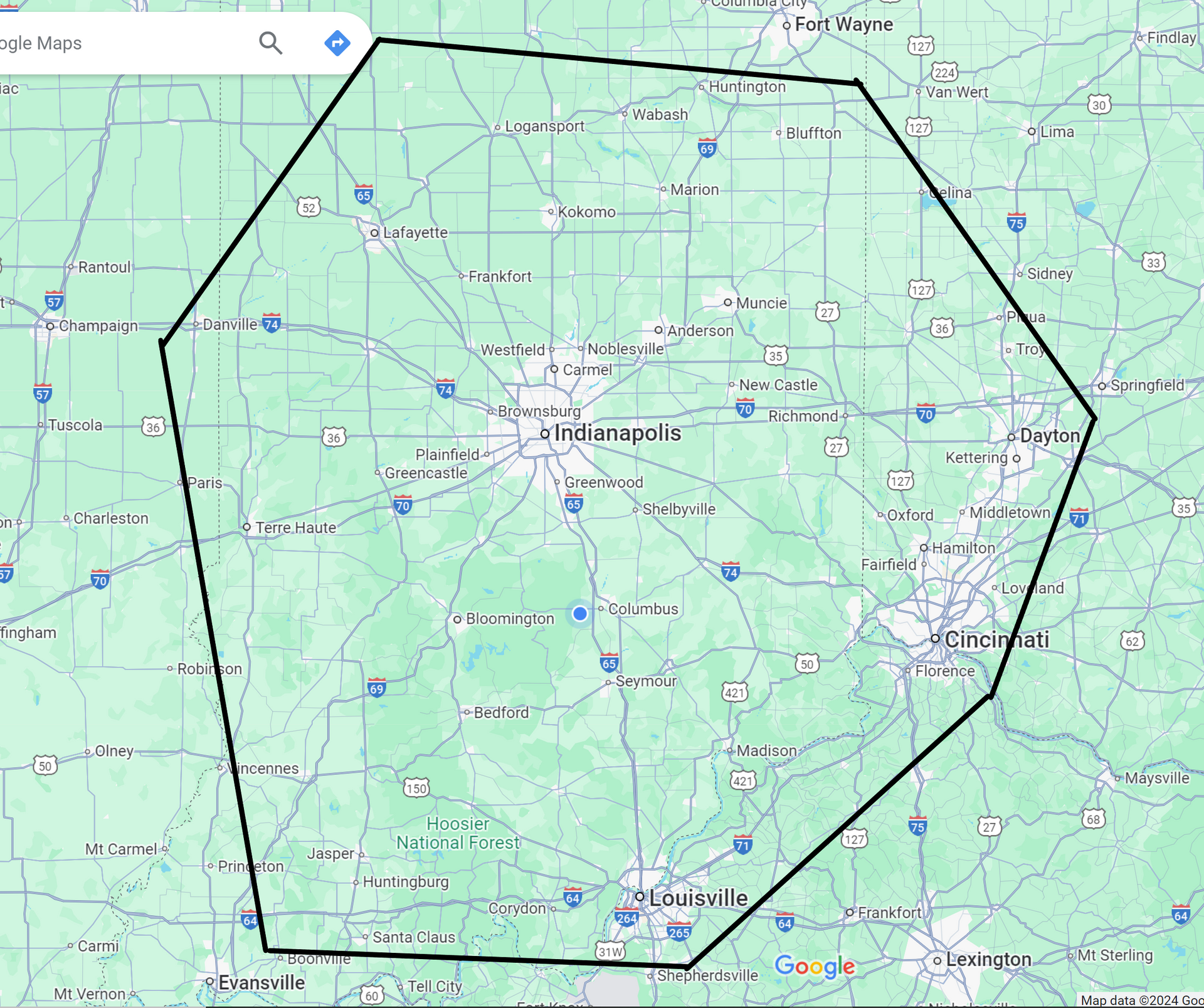
The right timing can add years to the life of your pavement. We have served residential, commercial, and municipal clients across Indianapolis, IN, for over 25 years as a family-owned paving contractor you can trust. We offer free detailed estimates, transparent timelines, and a team that understands exactly how Central Indiana's climate affects every project we take on.
Check out our reputation and read what Indianapolis clients have said by visiting our Google Business Profile.
Call us today at
(812) 799-0357 for a free estimate, or
send us a message to get started on your project in Indianapolis, IN.