



Freeze-thaw cycles are one of the most destructive forces acting on paved surfaces in Central Indiana. If you need an asphalt paving contractor serving Indianapolis, IN, contact us today at (812) 799-0357 for a free quote. This guide covers how winter temperature swings crack and weaken asphalt, what warning signs to watch for, and how to decide between repair and full replacement..
How Freeze-Thaw Cycles Break Down Asphalt
Indianapolis winters can be brutal on pavement. The city regularly sees temperatures swing above and below freezing multiple times each week. When that happens, water that has seeped into small surface cracks freezes and expands, pushing cracks wider from the inside. When temperatures rise, the ice melts and water drains deeper, setting up the next freeze cycle to do even more damage.
Marion County's clay and loam soils shift seasonally with moisture changes, adding stress from below while freeze-thaw pressure works from above. The 2025-2026 winter recorded lows of -4°F at Indianapolis International Airport with temperatures rebounding to 71°F in February, creating dozens of freeze-thaw events in a single season. An experienced asphalt paving contractor understands how these local conditions accelerate deterioration.
Why Water Intrusion Makes the Problem Worse
Water is the root cause of most freeze-thaw damage. Once a small crack opens, rainwater and snowmelt work into the asphalt's base layer. When that moisture freezes, the force it generates can lift and fracture the surface from underneath, leading to potholes, crumbling edges, and structural failure. Partnering with a qualified asphalt paving contractor early is the most reliable way to stop the cycle before base damage occurs.
What Are the Signs of Freeze-Thaw Damage on Your Pavement?
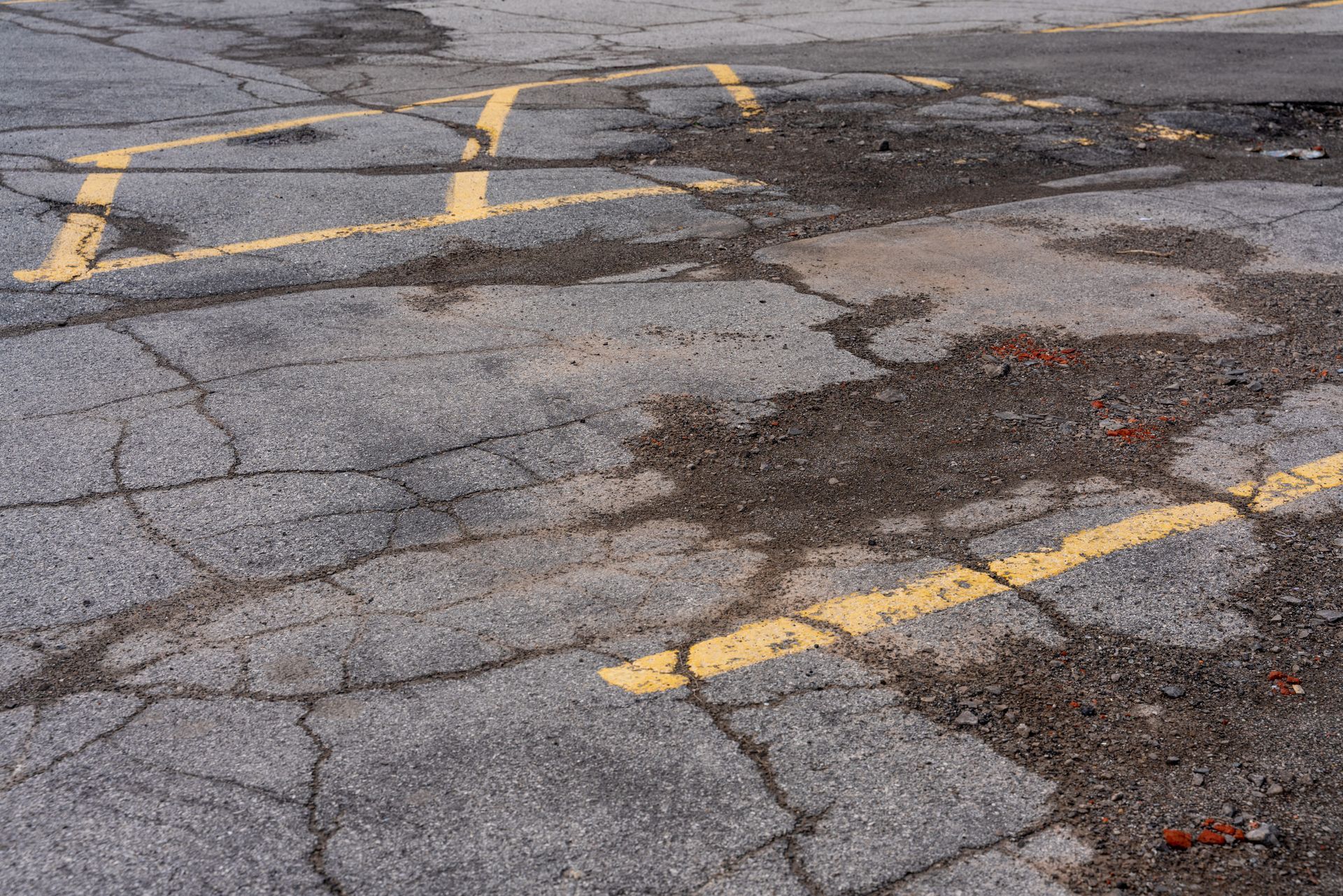
Freeze-thaw damage follows a predictable pattern. Spotting it early is the best way to control repair costs. Common warning signs include linear or spiderweb cracking across the surface, potholes or depressed areas that collect standing water, crumbling pavement edges along driveways or parking lots, surface raveling where aggregate loosens and separates, and uneven or heaved sections caused by sub-base movement.
If you notice any of these after a cold Indianapolis winter, schedule an inspection before warm-weather traffic and rainfall worsen the damage. A local asphalt paving contractor can assess whether the base has been compromised and recommend the most cost-effective path forward.
Indiana's Seasonal Paving Window
Timing matters for asphalt work in Indiana. Asphalt should be installed when ambient temperatures are consistently above 50°F and the ground is not frozen. In Central Indiana, that window typically opens in late April and runs through October, with a secondary opportunity in early spring after the ground has fully thawed. Our team monitors local conditions carefully to schedule projects within the optimal window, giving every repair or installation the best chance of long-term success.
Why Spring Is the Best Time to Assess Damage
Spring is the ideal season to evaluate pavement after a hard Indiana winter. Once the ground has thawed and surface moisture has dried, the full extent of freeze-thaw damage becomes visible. Addressing cracks and potholes in April or May prevents spring rains from deepening the damage and allows repairs to cure fully before summer heat arrives. Scheduling with a qualified asphalt paving contractor in early spring gives you the best opportunity to plan work before the busy season begins.
Repair vs. Replace: How to Make the Right Decision
Not every freeze-thaw issue calls for full replacement. Repair is often the right choice when cracking is limited to the surface layer, potholes are isolated, and the base is still structurally sound. Crack sealing, infrared patching, and pothole filling are cost-effective options for pavement with a solid foundation.
Replacement may be necessary when damage is widespread, cracks follow an alligator pattern across large sections, or the base layer has failed. If water has compromised the sub-base, patching the surface is only a short-term fix. A full-depth replacement with properly compacted base material is usually the more economical long-term decision. Working with a trusted asphalt paving contractor ensures the base is evaluated before any surface work begins.
A professional inspection is the most reliable way to determine which path makes sense, since surface appearance alone does not always reveal sub-base damage.
How Sealcoating Helps Prevent Future Freeze-Thaw Damage
Sealcoating is one of the most effective preventive tools available to Indianapolis property owners. A quality sealcoat applied every two to three years creates a protective barrier that slows water penetration, reduces UV degradation, and helps the surface flex through temperature changes rather than crack. It is not a repair for existing damage, but it can significantly extend the life of pavement that is still in good condition.
Take Action Before the Next Winter Hits Indianapolis
Every freeze-thaw season that passes without attention makes existing damage worse and narrows your repair options. The right time to address pavement damage is now, while ground conditions are stable and paving conditions are favorable in Indianapolis, IN.
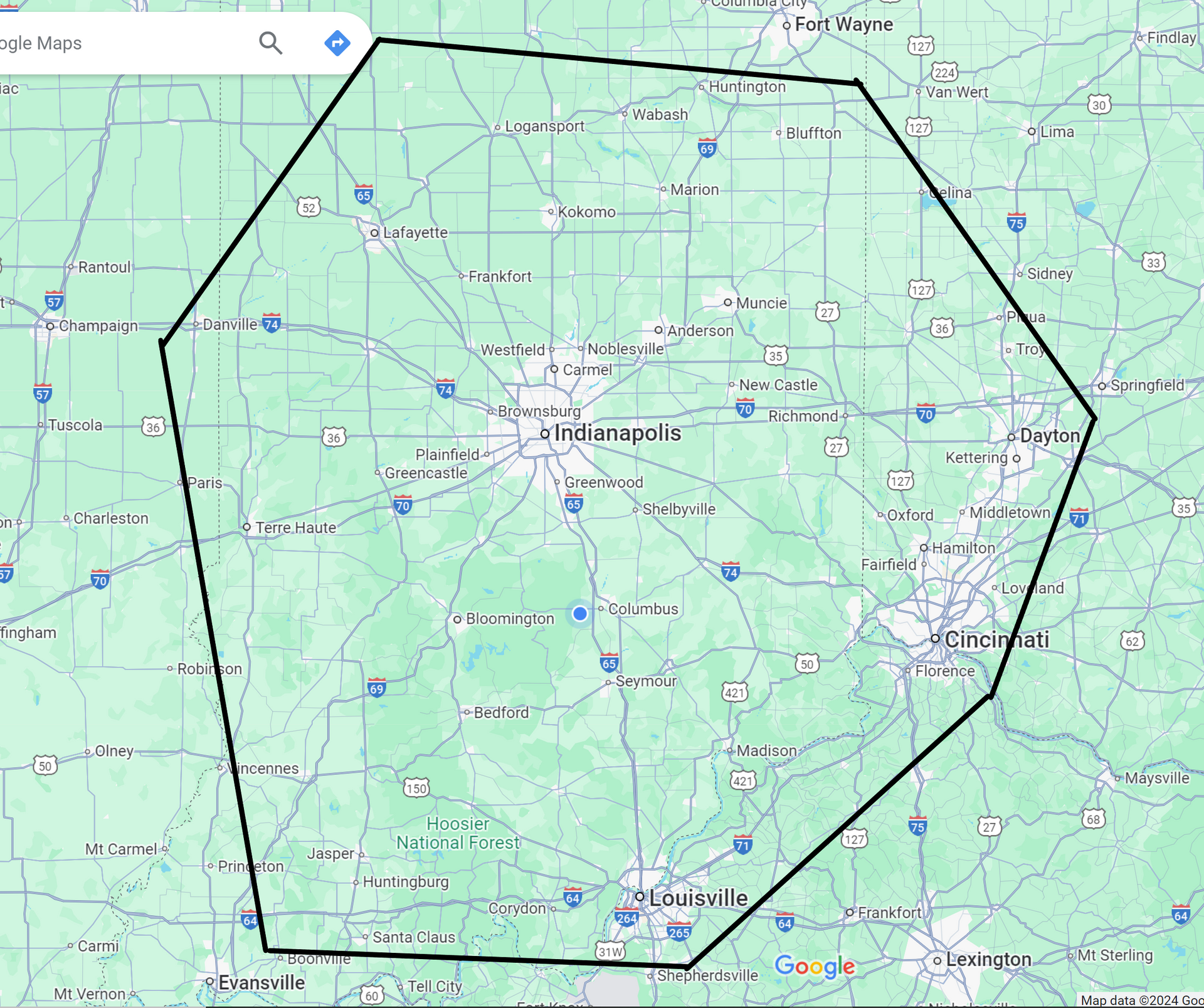
Visit our Google Business Profile to read customer feedback and see why property owners across Central Indiana trust us with their paving needs.
We have served residential, commercial, and municipal clients in Central Indiana for over 25 years as a dedicated asphalt paving contractor. Our team brings local knowledge of Indianapolis soil conditions, seasonal weather patterns, and proven repair methods to every project. Call Precision Contractors today at
(812) 799-0357 or
send us a message to request your free estimate.